
 简中
简中As modern power systems become more decentralized and intelligent, the equipment that connects local power sources to the public grid plays a critical role. One such piece of equipment is the grid-connected cabinet. While it may not attract much attention, it is a key component in ensuring that power systems operate safely, efficiently, and in compliance with grid standards.
Simply put, a grid-connected cabinet acts as the interface between a power generation system and the utility grid. It helps manage power flow, protect equipment, and maintain system stability.
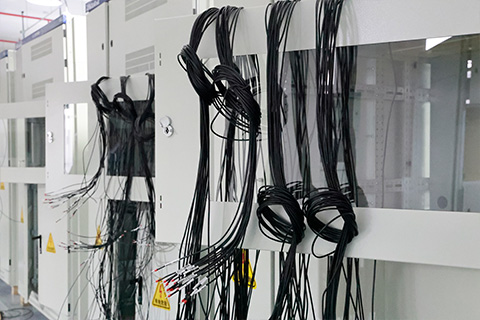
What Is a Grid-Connected Cabinet?
A grid-connected cabinet is an electrical enclosure that integrates protection devices, control units, monitoring components, and switching equipment. It is commonly used in systems such as:
Solar photovoltaic (PV) power plants
Wind power systems
Energy storage systems
Industrial and commercial distributed generation projects
The cabinet is typically installed at the point where electricity is connected to the grid, making it a central control point for grid interaction.
Core Functions of a Grid-Connected Cabinet
1. Electrical Protection and System Safety
One of the most important roles of a grid-connected cabinet is electrical protection. It helps safeguard both the power system and the public grid by providing:
Overvoltage and undervoltage protection
Overcurrent and short-circuit protection
Ground fault protection
Anti-islanding protection during grid outages
These protections are essential for preventing equipment damage and ensuring personnel safety. In everyday terms, it acts like a safety gate that stops things from going wrong when conditions become unstable.
2. Grid Synchronization and Power Quality Control
Before any power is fed into the grid, voltage, frequency, and phase must match grid requirements. The grid-connected cabinet works with inverters and control systems to ensure proper synchronization.
It also helps maintain acceptable power quality by monitoring parameters such as:
Voltage stability
Frequency consistency
Harmonic levels
This ensures that the power delivered does not negatively affect other grid users.
3. Power Distribution and Switching Control
A grid-connected cabinet includes switching devices that allow controlled connection and disconnection from the grid. This enables:
Safe system startup and shutdown
Isolation during maintenance
Automatic disconnection during faults
From a practical point of view, this makes operation more predictable and easier to manage.
4. Monitoring and Data Collection
Modern grid-connected cabinets often include monitoring and communication modules. These allow operators to track:
Real-time electrical parameters
Operating status of connected equipment
Fault and alarm information
This data supports better system management and faster troubleshooting. Put simply, it helps operators see what’s happening instead of guessing.
5. Compliance with Grid Standards
Utility grids operate under strict technical and regulatory standards. A grid-connected cabinet helps ensure compliance with local grid codes by integrating certified protection and control devices.
This reduces the risk of non-compliance and supports smoother approval processes for grid connection.
Why Grid-Connected Cabinets Matter in Modern Power Systems
As renewable energy and distributed generation continue to grow, the grid must handle more variable and decentralized power sources. Grid-connected cabinets help:
Maintain grid stability
Support safe integration of renewable energy
Improve system reliability
They do not increase energy production on their own, but they make sure power systems operate in a controlled and dependable manner.

Conclusion
The role of a grid-connected cabinet in power systems is primarily about connection, protection, and control. It serves as the technical bridge between power generation equipment and the utility grid, ensuring that electricity is delivered safely and in compliance with standards.
In simple terms, it’s the quiet worker in the background—doing its job reliably so the rest of the power system can run smoothly. As power systems evolve, grid-connected cabinets will remain an essential part of efficient and responsible energy infrastructure.