
 简中
简中A grid-connected cabinet is an essential component in modern power distribution systems, particularly in projects involving renewable energy, distributed generation, and industrial power integration. Its primary purpose is to provide a safe, controlled, and compliant interface between electrical equipment and the utility power grid.
1. What is a grid-connected cabinet?
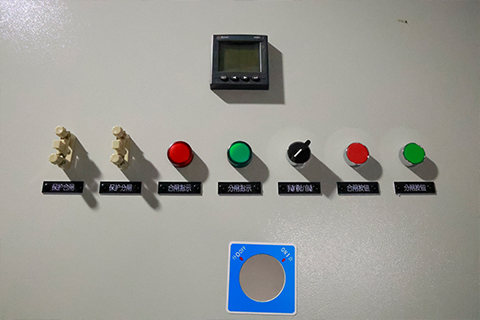
A grid-connected cabinet is an electrical enclosure that houses switching, protection, measurement, and control devices used to connect a power source—such as a solar PV system, wind turbine, energy storage system, or industrial generator—to the public power grid.
It is typically installed at the point where local generation or load interfaces with the utility network.
2. What is the primary use of a grid-connected cabinet?
The primary use of a grid-connected cabinet is to safely connect, disconnect, and manage the flow of electrical power between on-site equipment and the utility grid while meeting electrical safety and grid compliance requirements.
3. Why is a grid-connected cabinet necessary?
A grid-connected cabinet is necessary because it:
Provides electrical protection for both grid and equipment
Enables safe isolation during maintenance or faults
Supports compliance with local grid codes and standards
Centralizes connection and control components in a structured enclosure
These functions help reduce operational risk and improve system reliability.
4. What types of equipment are typically connected through a grid-connected cabinet?
Grid-connected cabinets are commonly used to connect:
Solar photovoltaic (PV) inverters
Wind power generation systems
Energy storage systems (ESS)
Industrial or commercial distributed generators
Large electrical loads requiring controlled grid access
5. What protection functions does a grid-connected cabinet provide?
Depending on system design, a grid-connected cabinet may include:
Circuit breakers or fuses for overcurrent protection
Voltage and frequency protection relays
Short-circuit protection devices
Grounding and surge protection components
These protections help prevent damage caused by electrical faults or abnormal grid conditions.
6. Does a grid-connected cabinet support grid compliance?
Yes. One of the key uses of a grid-connected cabinet is to help systems comply with utility and regulatory requirements, such as:
Grid disconnection under abnormal voltage or frequency
Anti-islanding coordination (where applicable)
Protection coordination with upstream grid devices
This ensures that connected systems operate without adversely affecting grid stability.
7. Can a grid-connected cabinet be used for monitoring and control?
Many grid-connected cabinets integrate basic monitoring and control functions, including:
Electrical parameter measurement (voltage, current, power)
Operational status indicators
Interfaces for external monitoring or energy management systems
These features support safe operation and system supervision.
8. Where are grid-connected cabinets commonly installed?
Grid-connected cabinets are commonly installed in:
Solar and wind power plants
Commercial and industrial facilities
Energy storage stations
Utility substations and distribution points
Their design allows for both indoor and outdoor installations, depending on environmental requirements.
Conclusion
A grid-connected cabinet is used to safely and reliably interface electrical systems with the utility grid. By integrating protection, isolation, monitoring, and compliance-related functions into a single enclosure, it plays a vital role in modern power systems. Its use helps ensure electrical safety, operational stability, and adherence to grid standards without unnecessary complexity.