
 简中
简中In modern electrical and renewable energy systems, managing multiple electrical inputs efficiently is essential for both safety and performance. A combiner box is a key component designed to simplify this process. While it may look like a simple enclosure, its role in organizing and protecting electrical connections is critical.
In short, a combiner box brings order to what would otherwise be a complicated network of wires.
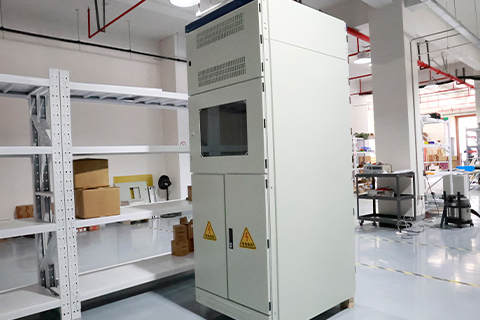
What Is a Combiner Box?
A combiner box is an electrical enclosure that combines multiple input circuits into one or more output circuits. It is commonly used in applications such as:
Solar photovoltaic (PV) systems
Wind energy systems
Battery and energy storage systems
Industrial electrical installations
By consolidating multiple power sources or branch circuits, the combiner box reduces wiring complexity and improves system manageability.
How a Combiner Box Streamlines Electrical Connections
1. Centralized Circuit Management
Without a combiner box, each electrical string or branch would require a separate connection to downstream equipment. A combiner box centralizes these connections in one location.
This means:
Fewer cables running to inverters or controllers
Cleaner and more organized wiring
Easier identification of individual circuits
Put simply, instead of a mess of cables, everything is neatly grouped in one place.
2. Integrated Circuit Protection
Most combiner boxes include protective components such as:
Fuses or circuit breakers for each input
Surge protection devices (SPDs)
Disconnect switches
These features help protect downstream equipment from overcurrent and transient voltage events. Protection is applied at the source, which improves overall system safety and reliability.
3. Simplified Installation and Maintenance
By reducing the number of external connections, a combiner box makes installation more efficient. Electricians can terminate multiple inputs in one enclosure rather than managing separate connection points.
For maintenance, this setup allows:
Faster troubleshooting
Easy isolation of individual circuits
Reduced system downtime
In everyday terms, when something goes wrong, you know exactly where to look.
4. Improved System Scalability
Combiner boxes are designed to accommodate multiple inputs, making system expansion more straightforward. When additional circuits or power sources are added, they can often be connected directly to an existing or upgraded combiner box.
This supports flexible system design without major changes to the overall wiring layout.
5. Enhanced Safety and Compliance
Electrical systems must meet safety and regulatory requirements. Combiner boxes help by:
Providing proper enclosure ratings
Reducing exposed wiring
Supporting standardized installation practices
This contributes to safer operation and smoother inspection and approval processes.
Common Applications of Combiner Boxes
The most common use is in solar PV systems, where multiple panel strings are combined before feeding power to an inverter. However, combiner boxes are also used in other systems where multiple electrical inputs need to be managed efficiently.
Regardless of the application, the goal remains the same: organized connections, proper protection, and reliable operation.

Conclusion
A combiner box streamlines electrical connections by centralizing wiring, integrating circuit protection, and simplifying system layout. It does not increase power output or improve efficiency on its own, but it plays a crucial supporting role in making electrical systems safer, cleaner, and easier to manage.
In plain language, it’s the component that keeps everything tidy and under control. For modern electrical installations, that kind of reliability matters.