
 简中
简中A PV combiner box is a key component in a photovoltaic (PV) system. It consolidates multiple DC input strings from solar modules into a single output circuit that connects to the inverter. Because it operates in outdoor and high-voltage environments, understanding the expected lifespan of a PV combiner box is essential for system planning, maintenance budgeting, and long-term performance management.
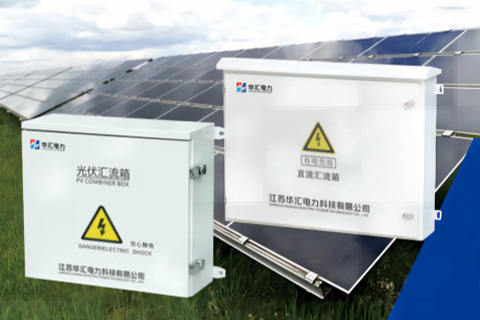
Typical Service Life
Under standard operating conditions, a PV combiner box generally has a service life of 10 to 20 years. The actual lifespan depends on design quality, installation practices, environmental exposure, and routine maintenance. In many solar arrays, the combiner box may require inspection or component replacement before the modules reach the end of their operational life.
It is important to note that the enclosure and internal electrical components may age at different rates. For example, surge protective devices (SPDs) and fuses typically have shorter service intervals compared to the enclosure structure.
Key Factors That Affect Lifespan
1. Environmental Conditions
Outdoor installations expose combiner boxes to temperature fluctuations, humidity, UV radiation, dust, and precipitation. Prolonged exposure to high ambient temperatures can accelerate insulation aging and reduce the reliability of terminals and wiring. In coastal or industrial areas, corrosion risk may further influence durability.
Selecting an enclosure with an appropriate IP rating and corrosion-resistant materials helps mitigate environmental stress.
2. Electrical Load and System Design
Operating continuously near maximum rated current can increase thermal stress on internal components such as busbars, fuse holders, and connectors. Proper string sizing, conductor selection, and thermal management are critical to prevent overheating.
Well-designed systems with adequate derating and proper spacing between components tend to achieve longer service life.
3. Component Quality
The quality of circuit breakers, fuses, surge protection devices, and terminal blocks significantly impacts overall reliability. Certified components tested according to IEC or UL standards typically provide more predictable performance over time.
Inferior materials or inconsistent assembly processes may lead to early failures such as loose connections, insulation breakdown, or enclosure cracking.
4. Installation and Maintenance Practices
Improper cable termination, inadequate torque on terminals, or poor sealing can reduce lifespan. Periodic inspections help detect discoloration, corrosion, moisture ingress, and loose connections before they lead to functional issues.
Routine thermal imaging inspections are often used in utility-scale solar plants to identify hotspots and prevent long-term damage.
When Should a PV Combiner Box Be Replaced?
Replacement is usually considered when:
Surge protection devices reach end-of-life indicators
Repeated fuse failures occur without external faults
Enclosure integrity is compromised
Internal components show signs of overheating or corrosion
In some cases, selective component replacement is sufficient rather than replacing the entire unit.

Conclusion
The lifespan of a PV combiner box in a solar array typically ranges from 10 to 20 years, depending on environmental exposure, electrical loading, component quality, and maintenance practices. Proper system design, professional installation, and periodic inspection are essential to maintain operational stability and reduce unexpected downtime. By addressing these factors proactively, system operators can extend service intervals and maintain consistent performance throughout the life cycle of the solar installation.