
 简中
简中In modern power systems—especially those integrating renewable energy—a grid-connected box plays a vital role in ensuring safe, stable, and efficient interaction between distributed generation sources and the public utility grid. Whether used in solar photovoltaic (PV), wind, or hybrid systems, the grid-connected box serves as a centralized interface that manages protection, metering, monitoring, and system coordination.

Core Function of a Grid-Connected Box
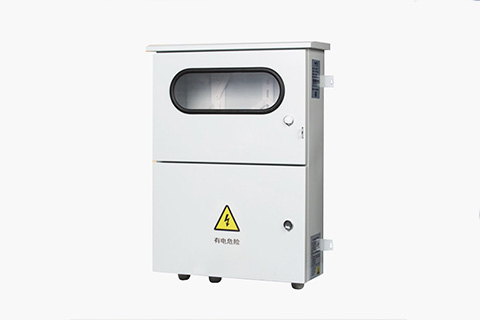
At its most fundamental level, a grid-connected box acts as the connection and protection hub between a power generation system and the electrical grid. It ensures that electricity generated on-site can be safely transmitted to the grid while complying with local utility standards and grid codes.
Its primary functions include:
Electrical Protection
The grid-connected box integrates protective components such as circuit breakers, fuses, surge protection devices (SPDs), and isolation switches. These elements safeguard both the generation system and the utility network from overcurrent, short circuits, lightning surges, and voltage fluctuations.
Isolation and Switching
For maintenance or emergency scenarios, the grid-connected box allows operators to quickly disconnect the power generation system from the grid. This ensures operational safety for technicians and prevents unintended power backfeed.
Metering and Monitoring
Many grid-connected boxes include energy meters or interfaces for smart metering devices. These meters track electricity production and grid export, supporting performance analysis, billing, and compliance with net metering policies.
System Coordination and Compliance
A grid-connected box ensures that the system meets grid interconnection standards, including synchronization requirements such as voltage, frequency, and phase alignment. In renewable energy systems, it often works in coordination with inverters to maintain grid stability.
Importance in Renewable Energy Systems
As distributed energy resources become more widespread, the role of the grid-connected box becomes increasingly critical. In photovoltaic installations, for example, the inverter converts DC power to AC power, but the grid-connected box ensures that this AC output is safely and properly delivered to the utility network.
Without a properly designed grid-connected box, systems would be vulnerable to electrical faults, regulatory non-compliance, and operational instability. Its integration improves reliability, enhances safety, and simplifies system management.
Key Components Inside a Grid-Connected Box
A typical grid-connected box may contain:
Molded case circuit breakers (MCCB)
AC or DC disconnect switches
Surge protection devices
Current transformers (CTs) for monitoring
Smart energy meters
Terminal blocks and busbars
The configuration varies depending on system size, voltage level, and local electrical regulations.
Conclusion
A grid-connected box is far more than a simple enclosure—it is a critical control and protection interface in modern power systems. By integrating safety mechanisms, monitoring tools, and compliance features, it ensures seamless and secure integration between distributed energy sources and the utility grid. As renewable energy adoption continues to grow, the grid-connected box remains an essential component for achieving safe, efficient, and grid-compliant power generation.