
 简中
简中A grid-connected box, often referred to as a grid-tie distribution box or grid interface cabinet, is a key component in distributed power generation systems. It serves as the connection point between a local power source—such as a photovoltaic array, wind turbine, or small generator—and the public utility grid. Its primary function is to manage the safe transmission, monitoring, and protection of electrical energy as it flows between the generation system and the grid.
Understanding the structure and operating principle of a grid-connected box is essential for system designers, installers, and facility managers involved in power integration projects.
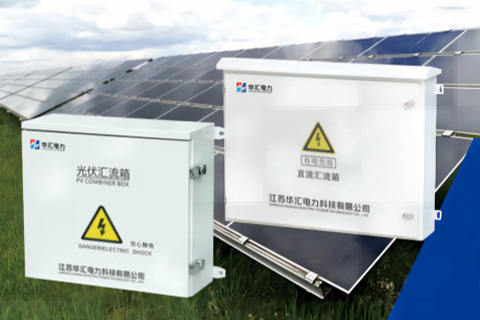
Structural Composition of a Grid-Connected Box
A typical grid-connected box contains several functional modules integrated into a protective enclosure. The main components include:
1. Circuit Breakers
These devices provide overcurrent and short-circuit protection. They automatically disconnect the system when abnormal electrical conditions occur.
2. Isolation Switches
Isolation switches allow manual disconnection of the power source from the grid for maintenance or emergency situations.
3. Surge Protection Devices (SPDs)
SPDs protect electrical equipment from transient overvoltage caused by lightning strikes or switching operations.
4. Metering Instruments
Voltage meters, current transformers, and energy meters are installed to monitor electrical parameters such as voltage, current, frequency, and power output.
5. Protective Relays
Protective relays detect abnormal grid conditions, including voltage deviations or frequency instability, and trigger disconnection when required.
6. Control and Communication Modules
In advanced systems, communication interfaces enable remote monitoring and data acquisition through supervisory control systems.
The enclosure is typically constructed from metal with appropriate ingress protection ratings to ensure mechanical durability and operational safety.
Working Principle of a Grid-Connected Box
The operation of a grid-connected box can be explained in a structured sequence:
1. Power Generation and Conversion
In renewable energy systems, direct current (DC) generated by solar panels or other sources is first converted into alternating current (AC) by an inverter. The inverter synchronizes the output voltage, frequency, and phase with the utility grid.
2. Power Entry into the Grid-Connected Box
The synchronized AC power enters the grid-connected box through designated input terminals. At this stage, electrical parameters are continuously monitored.
3. Protection and Verification
Before power is delivered to the grid, the protective relays verify that voltage and frequency are within acceptable limits. If deviations exceed predefined thresholds, the system disconnects automatically to prevent equipment damage or grid disturbance.
4. Grid Integration
Once all safety conditions are satisfied, the circuit breaker closes, allowing power to flow into the utility grid. The energy meter records exported electricity, enabling accurate billing or performance assessment.
5. Fault Handling
If abnormal conditions such as overcurrent, overvoltage, or grid outage occur, the protective devices act immediately to isolate the distributed generation system. This process ensures compliance with grid interconnection standards and prevents reverse power flow during outages.
Key Functions in Power Systems
A grid-connected box performs multiple essential functions within a distributed energy installation:
Electrical isolation and safety protection
Real-time monitoring of system performance
Compliance with grid connection standards
Prevention of backfeed during utility failure
Facilitation of maintenance and inspection
These functions collectively enhance operational stability and reliability.
Application Scenarios
Grid-connected boxes are widely used in:
Commercial rooftop photovoltaic systems
Industrial distributed generation plants
Residential solar installations
Small-scale wind power projects
Their specifications vary depending on system capacity, voltage level, and local regulatory requirements.
Design Considerations
When selecting or designing a grid-connected box, several technical parameters must be evaluated:
Rated voltage and current
Short-circuit breaking capacity
Protection level (IP rating)
Grounding configuration
Compatibility with inverter output characteristics
Proper sizing and configuration ensure coordinated protection and long-term operational performance.
Conclusion
A grid-connected box is a critical interface device that enables distributed generation systems to connect safely and efficiently to the public power grid. By integrating protection, monitoring, and control functions within a single enclosure, it ensures stable power transmission and compliance with electrical standards. Understanding its structure and working mechanism provides a solid foundation for designing and maintaining grid-connected power systems.