
 简中
简中Choosing the right combiner box for a solar array is not merely a matter of wiring convenience; it directly affects system safety, reliability, and long-term performance. In photovoltaic (PV) systems—especially commercial and utility-scale installations—the combiner box plays a central role in aggregating multiple string outputs into a single DC output that feeds the inverter. A technically sound selection ensures electrical protection, code compliance, and operational efficiency.
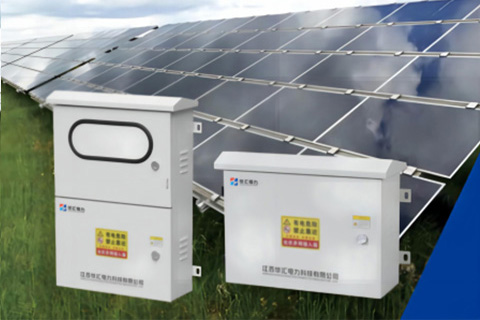
A combiner box, sometimes referred to as a PV string combiner, consolidates the output of several solar panel strings and integrates overcurrent protection devices, surge protection, and disconnect mechanisms. By reducing cable runs to the inverter, it lowers installation complexity and minimizes power loss across long DC conductors. However, selecting the wrong combiner box can lead to overheating, nuisance tripping, or even catastrophic failure.
The first parameter to evaluate is the electrical rating. The combiner box must be compatible with the maximum system voltage and current of the solar array. For modern PV installations, system voltages typically reach 1000V or 1500V DC. The combiner box should be rated equal to or higher than the system’s maximum DC voltage. Similarly, the busbar and fuse ratings must accommodate the aggregated current from all input strings. A careful calculation based on short-circuit current (Isc), multiplied by appropriate safety factors according to NEC or IEC standards, is essential. Underrated components compromise both safety and certification compliance.
The number of input strings is another decisive factor. Residential systems may require a small combiner box with 2–4 inputs, while commercial rooftop or ground-mounted systems may need 8, 12, 16, or more inputs. Selecting a combiner box with expansion capacity can provide flexibility for future system scaling. However, oversizing without technical justification may increase costs unnecessarily.
Protection features are equally critical. A high-quality combiner box should include string-level fuses or circuit breakers to prevent backfeed currents in fault conditions. Integrated DC surge protection devices (SPDs) are particularly important in regions prone to lightning or grid instability. Proper grounding provisions and clearly labeled disconnect switches also improve system maintainability and safety. In large-scale plants, monitoring functionality—such as string current monitoring modules—adds diagnostic value by enabling early detection of performance anomalies.
Environmental durability must not be overlooked. The enclosure of the combiner box should meet appropriate ingress protection (IP) ratings—typically IP65 or higher for outdoor installations—to ensure resistance against dust, moisture, and UV exposure. In harsh climates, corrosion-resistant materials such as stainless steel or powder-coated aluminum are recommended. Thermal management design, including ventilation or heat dissipation structures, is also important in high-temperature regions to avoid derating.
Compliance and certification are mandatory for grid-connected systems. The combiner box should conform to recognized standards such as IEC 61439-2 or UL 1741, depending on the target market. Certification ensures that the equipment has undergone rigorous testing for dielectric strength, temperature rise, and short-circuit withstand capability. Using uncertified products can jeopardize project approval and insurance coverage.
Finally, integration compatibility with the inverter and overall system architecture should guide the final decision. Some inverters offer integrated combiner functionality, reducing the need for standalone units. In distributed or centralized inverter configurations, the placement and wiring topology will influence combiner box specifications. Proper coordination between system designer, EPC contractor, and equipment supplier ensures optimal performance.
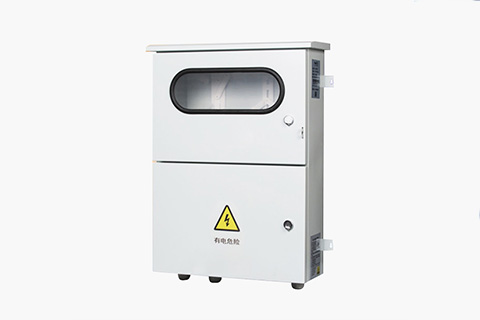
In conclusion, selecting the right combiner box for a solar array requires a structured evaluation of electrical ratings, protection mechanisms, environmental resilience, certification compliance, and system integration. A properly specified combiner box enhances safety, simplifies maintenance, and contributes to the overall reliability and efficiency of the photovoltaic system. For any professional solar installation, this component should be treated as a critical engineering element rather than a minor accessory.