
 简中
简中A grid-connected cabinet is a critical interface between distributed energy resources and the utility network. Whether used in photovoltaic systems, energy storage applications, or industrial power distribution, its long-term reliability directly affects operational safety, system efficiency, and regulatory compliance. Proper maintenance is therefore not optional; it is a structured, preventive discipline that reduces downtime and extends service life.
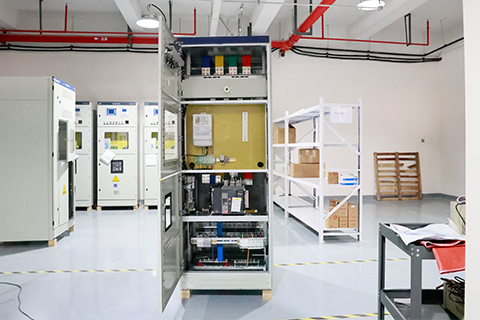
Understanding the Functional Role of a Grid-Connected Cabinet
A grid-connected cabinet typically integrates protection devices, metering instruments, circuit breakers, surge protection devices, control modules, and communication interfaces. It ensures synchronized power injection into the grid while maintaining voltage stability, frequency control, and protection against faults such as overcurrent, short circuit, or islanding.
Because it operates at the intersection of power electronics and grid infrastructure, it is exposed to electrical stress, thermal cycling, environmental contaminants, and mechanical vibration. Maintenance strategies must therefore address electrical integrity, thermal management, insulation performance, and mechanical stability.
Routine Inspection and Preventive Maintenance
A structured inspection schedule is the foundation of reliability. For most industrial installations, quarterly visual inspections and annual comprehensive electrical testing are recommended.
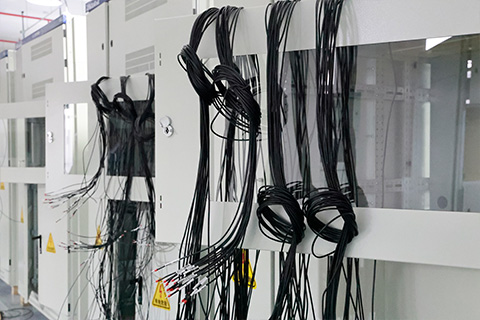
Visual inspection should focus on loose terminals, discoloration caused by overheating, corrosion on busbars, damaged cable insulation, and dust accumulation. Even minor looseness in bolted connections can increase contact resistance, leading to localized overheating and eventual failure.
Thermal imaging is highly effective for identifying abnormal temperature rises in circuit breakers, connection points, and power terminals. Infrared thermography enables non-contact diagnostics and early detection of high-resistance joints before catastrophic failure occurs.
Electrical testing should include insulation resistance measurement, grounding continuity checks, and functional testing of protection relays. Calibration of metering devices ensures that grid compliance requirements are maintained and billing data remains accurate.
Environmental Control and Thermal Management
The operational lifespan of a grid-connected cabinet is heavily influenced by its ambient environment. Excessive humidity accelerates corrosion and insulation degradation, while high temperatures reduce component lifespan exponentially according to Arrhenius-based thermal aging principles.
To maintain reliability:
Maintain stable internal temperatures using properly sized ventilation systems or air conditioning units.
Ensure enclosure seals are intact to prevent moisture ingress.
Install dehumidifiers in high-humidity regions.
Regularly clean air filters to avoid airflow obstruction.
For outdoor installations, ultraviolet-resistant coatings and weatherproof enclosures with appropriate IP ratings are essential. Environmental monitoring sensors can provide real-time alerts if temperature or humidity exceed design thresholds.
Component Lifecycle Management
Critical components such as circuit breakers, contactors, surge protective devices, and relays have defined mechanical and electrical endurance ratings. Relying solely on failure-based replacement increases operational risk.
A predictive maintenance approach involves tracking switching cycles, fault events, and surge exposure. Surge protective devices, in particular, should be inspected after significant lightning activity or grid disturbances. Replace them according to manufacturer-defined degradation indicators rather than waiting for complete failure.
Capacitors used in power factor correction or filtering circuits also require attention. Look for bulging, leakage, or abnormal ESR values during scheduled maintenance.
Protection System Verification
Protection coordination is central to safe grid interconnection. Periodic testing of overcurrent protection, anti-islanding protection, and fault detection logic ensures compliance with grid codes.
Relay testing should verify trip timing, pickup values, and communication signals. Firmware updates must be managed carefully and documented to maintain system traceability. Any modification to system configuration should be accompanied by a revised protection coordination study if required.
Documentation and Data-Driven Maintenance
High-reliability operation depends on systematic recordkeeping. Maintain logs for inspections, test results, thermal scans, component replacements, and abnormal events. Data analysis over time can reveal degradation trends and recurring stress points.
Modern grid-connected cabinet systems often integrate remote monitoring through SCADA or IoT platforms. Leveraging real-time diagnostics allows operators to shift from reactive maintenance to condition-based maintenance, reducing lifecycle costs while improving availability.
Conclusion
Maintaining a grid-connected cabinet for long-term reliability requires a disciplined combination of routine inspection, environmental control, lifecycle management, and protection verification. By adopting preventive and predictive maintenance strategies, operators can minimize downtime, enhance safety, and ensure stable grid interconnection performance over decades of operation. Properly maintained, a grid-connected cabinet becomes a resilient and dependable asset in modern power infrastructure.