
 简中
简中A grid-connected cabinet is a critical interface device that ensures safe, stable, and compliant integration between distributed power sources and the utility grid. In modern electrical engineering practice—particularly in photovoltaic, wind, and energy storage systems—the grid-connected cabinet serves as the central protection, monitoring, and control node. Its primary function is to protect electrical systems from faults while maintaining grid synchronization and operational reliability.
What Is a Grid-Connected Cabinet?
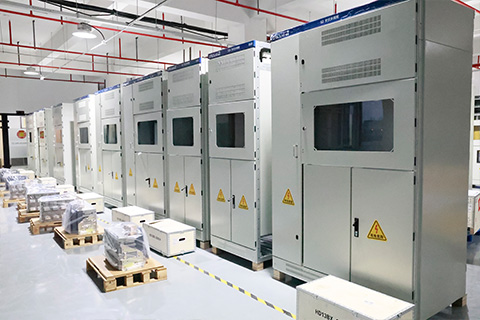
A grid-connected cabinet is an integrated electrical assembly that houses circuit breakers, protection relays, surge protection devices, metering instruments, and control components. It is installed between distributed generation equipment (such as inverters or generators) and the public power grid. In essence, the grid-connected cabinet acts as a controlled gateway, ensuring that power exchange occurs safely and within regulatory parameters.
Core Protection Mechanisms
The protection strategy of a grid-connected cabinet is multi-layered and designed according to established power system protection principles.
First, overcurrent and short-circuit protection are fundamental. High-performance circuit breakers and protective relays continuously monitor line current. When abnormal current exceeding preset thresholds is detected, the breaker trips within milliseconds, isolating the faulty section. This prevents thermal damage to conductors, transformers, and inverter modules.
Second, voltage protection mechanisms address overvoltage and undervoltage conditions. Grid instability, lightning strikes, or switching surges can cause dangerous voltage deviations. Surge protection devices (SPDs) installed within the grid-connected cabinet divert transient overvoltage to ground, safeguarding sensitive electronic components. Meanwhile, protection relays disconnect the system if grid voltage moves beyond allowable limits.
Third, frequency protection ensures synchronization with the grid. A deviation in grid frequency may indicate a disturbance or imbalance between supply and demand. The grid-connected cabinet monitors frequency in real time and disconnects the distributed source when it falls outside permitted ranges, preventing equipment stress and maintaining grid stability.
Anti-Islanding Protection
One of the most critical safety features in a grid-connected cabinet is anti-islanding protection. Islanding occurs when a distributed generation system continues supplying power to a local load even after the main grid has lost power. This poses significant hazards to maintenance personnel and can damage equipment.
The grid-connected cabinet incorporates anti-islanding detection through voltage, frequency, and phase monitoring algorithms. Upon detecting loss of grid reference, it triggers rapid disconnection. This ensures compliance with international grid codes and utility interconnection standards.
Ground Fault and Leakage Protection
Ground faults and leakage currents can cause equipment degradation and safety risks. The grid-connected cabinet integrates residual current monitoring and grounding protection systems. When leakage current exceeds safe thresholds, protective devices initiate isolation procedures. This protects both personnel and infrastructure while maintaining system integrity.
Monitoring and Intelligent Control
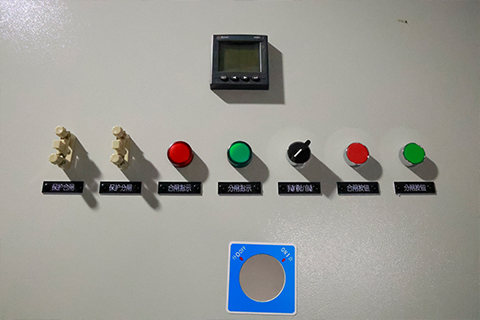
Modern grid-connected cabinet systems are equipped with digital monitoring units and communication interfaces. These allow real-time data acquisition, fault logging, and remote control through SCADA or energy management systems. Continuous monitoring improves fault diagnosis, reduces downtime, and enhances predictive maintenance strategies.
By integrating measurement, protection, and control within a single enclosure, the grid-connected cabinet ensures coordinated fault management rather than fragmented response.
Conclusion
A grid-connected cabinet protects electrical systems from faults through coordinated overcurrent protection, voltage and frequency supervision, anti-islanding mechanisms, surge suppression, and intelligent monitoring. It functions as both a protective barrier and a control hub between distributed energy systems and the utility grid.
In modern power infrastructure—where renewable energy penetration continues to increase—the grid-connected cabinet is not merely an accessory. It is a foundational component that guarantees electrical safety, regulatory compliance, and long-term operational reliability.