
 简中
简中In power distribution and energy management systems, both grid-connected cabinets and standard electrical cabinets serve enclosure and control functions. However, their structural configuration, protection logic, control strategy, and compliance requirements differ significantly. Understanding these differences is essential for system designers, EPC contractors, and facility engineers involved in distributed energy, photovoltaic systems, or industrial power distribution.
1. Functional Position in the Power System
A grid-connected cabinet is specifically designed to interface a distributed power source—such as a photovoltaic inverter, wind turbine controller, or energy storage system—with the public utility grid. Its primary function is to manage synchronization, protection, measurement, and safe interconnection between generation equipment and the utility network.
By contrast, a standard electrical cabinet typically serves as a control and distribution enclosure within an internal electrical system. It may house circuit breakers, contactors, relays, PLC modules, and busbars, but it does not inherently manage grid synchronization or bidirectional power flow.
In simple terms:
Grid-connected cabinet → External grid interface and protection
Standard electrical cabinet → Internal distribution and control
2. Protection and Control Logic
A major difference lies in protection architecture.
Grid-Connected Cabinet
A grid-connected cabinet integrates:
Anti-islanding protection
Over/under-voltage protection
Over/under-frequency protection
Reverse power protection
Synchronization detection
Power quality monitoring
These functions ensure compliance with grid interconnection standards and prevent unsafe operation during grid disturbances or outages. The cabinet continuously monitors voltage phase, frequency, and waveform consistency before permitting connection.
Standard Electrical Cabinet
A standard cabinet generally includes:
Overcurrent protection
Short-circuit protection
Thermal protection
Ground fault protection
Its focus is equipment safety and load control rather than grid stability.
3. Bidirectional Power Flow Capability
Grid-connected cabinets are engineered for bidirectional energy flow, especially in distributed generation systems. When generation exceeds local load demand, power is exported to the utility grid. When generation is insufficient, power is imported.
Standard electrical cabinets are usually designed for unidirectional power flow, distributing electricity from a source to loads within a facility.
This difference affects:
Busbar sizing
Breaker selection
Metering configuration
Control logic programming
4. Metering and Monitoring Requirements
A grid-connected cabinet typically incorporates:
Revenue-grade energy meters
Communication modules (Modbus, RS485, Ethernet)
Remote monitoring interfaces
Grid compliance data logging
These components support utility verification and operational transparency.
Standard electrical cabinets may include ammeters, voltmeters, or basic monitoring devices, but advanced communication and grid reporting are not mandatory unless integrated into a broader automation system.
5. Compliance and Regulatory Standards
Grid-connected cabinets must comply with grid interconnection regulations and regional electrical standards. For example:
In the United States, requirements may reference standards from organizations such as IEEE and UL.
In Europe, grid interface systems often follow guidelines associated with IEC standards.
Compliance requirements include protection response time, synchronization accuracy, and fault isolation performance.
Standard electrical cabinets generally follow general electrical installation codes and low-voltage distribution standards without the additional grid-interconnection layer.
6. Structural Design and Component Configuration
Because of their grid interface function, grid-connected cabinets often include:
Dedicated grid breaker
Isolation switch
Protection relay unit
Surge protection devices
Interface terminals for utility connection
Standard cabinets may focus more on:
Motor control centers (MCC)
PLC control panels
Lighting distribution boards
Equipment-specific control assemblies
The internal layout of a grid-connected cabinet prioritizes measurement accuracy, protective relay wiring integrity, and separation between control and power circuits.
7. Application Scenarios
Typical applications for grid-connected cabinets include:
Photovoltaic power plants
Commercial rooftop solar systems
Industrial energy storage installations
Distributed generation facilities
Standard electrical cabinets are widely used in:
Manufacturing plants
Commercial buildings
Water treatment systems
HVAC control rooms
Conclusion
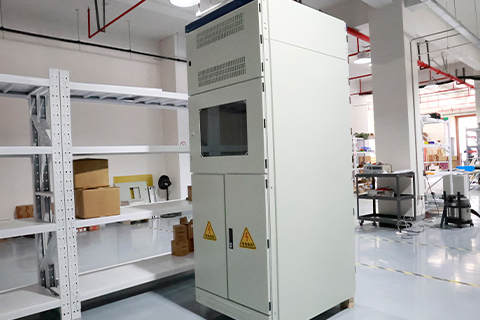
While both grid-connected cabinets and standard electrical cabinets function as electrical enclosures, their system roles differ fundamentally. A grid-connected cabinet serves as a controlled interface between distributed generation and the public utility network, integrating advanced protection, synchronization, and compliance mechanisms. A standard electrical cabinet primarily distributes and controls internal electrical loads without managing grid interaction.
For engineers and project planners, selecting the appropriate cabinet type depends on whether the system requires grid interconnection capability or only internal power distribution and control. Careful evaluation of protection requirements, regulatory obligations, and operational objectives ensures proper system design and long-term reliability.