
 简中
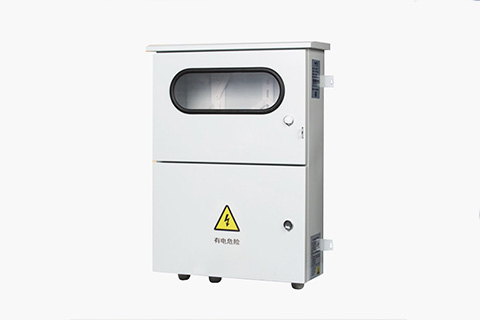
简中A grid-connected box, often referred to as a grid-tie distribution box or grid-connection cabinet, is a key component in a solar photovoltaic (PV) power system. It serves as the interface between the solar generation equipment and the public utility grid. Its primary function is to manage power flow, provide electrical protection, and ensure compliance with grid interconnection standards.
This article explains the working principle, internal structure, and operational logic of a grid-connected box in solar power systems.

1. Position in the Solar Power System Architecture
In a typical grid-tied solar system, the main components include:
PV modules
DC combiner box (in larger systems)
Grid-tied inverter
Grid-connected box
Utility meter and grid access point
After the inverter converts direct current (DC) from the PV modules into alternating current (AC), the output is routed to the grid-connected box. From there, electricity is delivered to the facility’s internal load and/or exported to the utility grid.
The grid-connected box is generally installed between the inverter output and the main distribution panel or grid access switchgear.
2. Core Functions of a Grid-Connected Box
A grid-connected box performs several technical functions to ensure safe and stable system operation.
2.1 Electrical Isolation and Switching
The box typically contains AC circuit breakers or molded case circuit breakers (MCCBs). These devices allow operators to:
Manually disconnect the inverter from the grid during maintenance
Automatically interrupt the circuit in case of overcurrent or short-circuit faults
This isolation function is essential for operational safety and system servicing.
2.2 Overcurrent and Short-Circuit Protection
When abnormal current conditions occur, protective devices inside the box detect the fault and trip the breaker. This prevents damage to:
The inverter
Downstream electrical equipment
Internal wiring and busbars
Proper breaker sizing is determined by inverter rated output current and applicable electrical standards.
2.3 Surge Protection
Many grid-connected boxes are equipped with surge protection devices (SPDs). These components protect the system from transient overvoltage caused by lightning or switching operations in the grid network.
The SPD diverts excess voltage to ground, reducing the risk of insulation breakdown or component failure.
2.4 Metering and Monitoring
In some configurations, the grid-connected box integrates energy meters or monitoring modules. These devices measure:
Output voltage
Output current
Power factor
Active and reactive power
Energy exported to the grid
This data supports system performance analysis and compliance with grid operator requirements.
2.5 Anti-Islanding Coordination
Anti-islanding protection is primarily implemented inside the grid-tied inverter. However, the grid-connected box works in coordination with this function.
If the utility grid experiences an outage, the inverter must detect the condition and stop feeding power. The grid-connected box ensures the disconnection path is reliable and that isolation devices respond properly to inverter shutdown commands.
3. Internal Structure and Components
Although designs vary depending on system size and local standards, a typical grid-connected box includes:
Incoming terminals from the inverter
AC circuit breakers or isolators
Surge protection devices
Busbars
Current transformers (optional)
Energy meter (optional)
Outgoing terminals to the grid or main distribution board
Grounding bar
The enclosure is usually made of metal with appropriate ingress protection (IP rating) to withstand environmental conditions in rooftop or outdoor installations.
4. Working Principle
The operational logic of a grid-connected box can be summarized as follows:
1. The inverter produces synchronized AC power matching grid voltage and frequency.
2. The AC output enters the grid-connected box through the input terminals.
3. Power flows through protective breakers and busbars.
4. If system parameters remain within acceptable limits, electricity is transmitted to the facility load and utility grid.
5.If a fault condition is detected—such as overcurrent, short circuit, or abnormal voltage—the protective devices disconnect the circuit.
The box itself does not convert power. Instead, it acts as a controlled and protected pathway between the inverter and the grid.
5. Compliance and Standards Considerations
Grid-connected boxes must comply with relevant electrical codes and grid interconnection standards. Requirements typically address:
Rated voltage and current capacity
Short-circuit withstand capability
Insulation coordination
Grounding and bonding
Clear labeling and safety markings
Proper design and installation ensure the solar system operates reliably within the parameters set by the local utility provider.
6. Importance in Commercial and Industrial Systems
In residential systems, the grid connection may be integrated within a compact distribution assembly. However, in commercial and industrial installations, the grid-connected box becomes more critical due to:
Higher power levels
Multiple inverters operating in parallel
More complex protection schemes
Metering and supervisory control integration
A well-designed grid-connected box improves maintainability, simplifies troubleshooting, and enhances operational safety.
Conclusion
A grid-connected box functions as the protective and distribution interface between a solar inverter and the utility grid. It does not generate or convert electricity; rather, it ensures that power produced by the solar system is transmitted safely, monitored accurately, and disconnected promptly in the event of abnormal conditions.
By integrating switching devices, protection components, and optional metering equipment, the grid-connected box plays a central role in maintaining electrical safety and system stability in grid-tied solar power installations.