
 简中
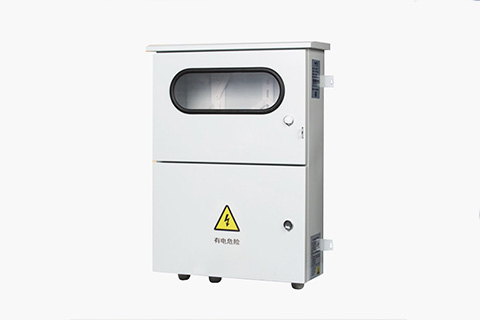
简中A solar combiner box plays a central role in a photovoltaic (PV) system by aggregating multiple string inputs into a single output circuit. It typically contains string fuses, surge protective devices (SPDs), busbars, and monitoring components. When a fault occurs, systematic troubleshooting helps reduce downtime and protect downstream equipment such as the inverter.
Below is a structured approach to diagnosing common issues with a solar combiner box.

1. Start with a Visual Inspection
Before using test instruments, perform a detailed visual check:
Look for discoloration, melted insulation, or burnt terminals.
Check for loose cable glands and improper sealing.
Inspect fuses and SPD indicators.
Verify that wiring matches the system diagram.
Thermal damage or loose connections often indicate high contact resistance, which can cause voltage drop and localized overheating.
2. Check String Current Imbalance
One of the most common issues is uneven current between PV strings. Use a clamp meter to measure the short-circuit current (Isc) or operating current of each string under similar irradiance conditions.
If one string shows significantly lower current:
Inspect connectors for poor contact.
Check for blown fuses.
Measure string voltage to identify open circuits.
Examine modules for physical damage.
Current deviation beyond acceptable tolerance usually indicates a wiring fault, module issue, or fuse failure.
3. Test Fuses and Overcurrent Protection
Remove and test each fuse with a multimeter for continuity. A blown fuse may result from:
Reverse polarity connection
Short circuit in a string
Incorrect fuse rating
Replace only with fuses that match the original DC voltage and current specifications.
4. Verify Surge Protective Devices (SPDs)
SPDs protect the system from transient overvoltage. Most combiner boxes include visual status indicators. If the indicator shows failure:
Isolate the circuit.
Confirm grounding integrity.
Replace the SPD module as required.
Improper grounding or repeated transient events can shorten SPD service life.
5. Measure Output Voltage and Insulation Resistance
Use a multimeter to confirm that the combined output voltage aligns with expected system parameters. Significant deviation may indicate:
Loose busbar connections
Internal wiring faults
Parallel string mismatch
An insulation resistance tester (megohmmeter) can identify leakage to ground. Low insulation resistance may result from moisture ingress or cable degradation.
6. Inspect Grounding and Bonding
Effective grounding is critical for system stability and safety. Check:
Continuity between grounding terminals
Corrosion on grounding lugs
Tightness of bonding connections
High ground impedance can lead to nuisance inverter faults and unreliable protection performance.
7. Evaluate Environmental Factors
Combiner boxes installed outdoors are exposed to temperature variation, dust, and humidity. Inspect:
Enclosure integrity
IP rating compliance
Ventilation components
Water ingress or condensation can lead to insulation breakdown and corrosion over time.
8. Review Monitoring Data
If the combiner box includes string-level monitoring, analyze historical current and voltage trends. Gradual performance decline may indicate connector degradation or module aging rather than sudden electrical failure.
Conclusion
Troubleshooting a solar combiner box requires a structured process: visual inspection, electrical measurement, protection device verification, and grounding assessment. By systematically isolating variables, technicians can identify faults efficiently and restore normal PV system operation with minimal disruption.